Elena Wagner · 10 October 2026
Hainora Beekeepers Establish School Partnerships to Protect Pollinator Habitats During Urban Growth
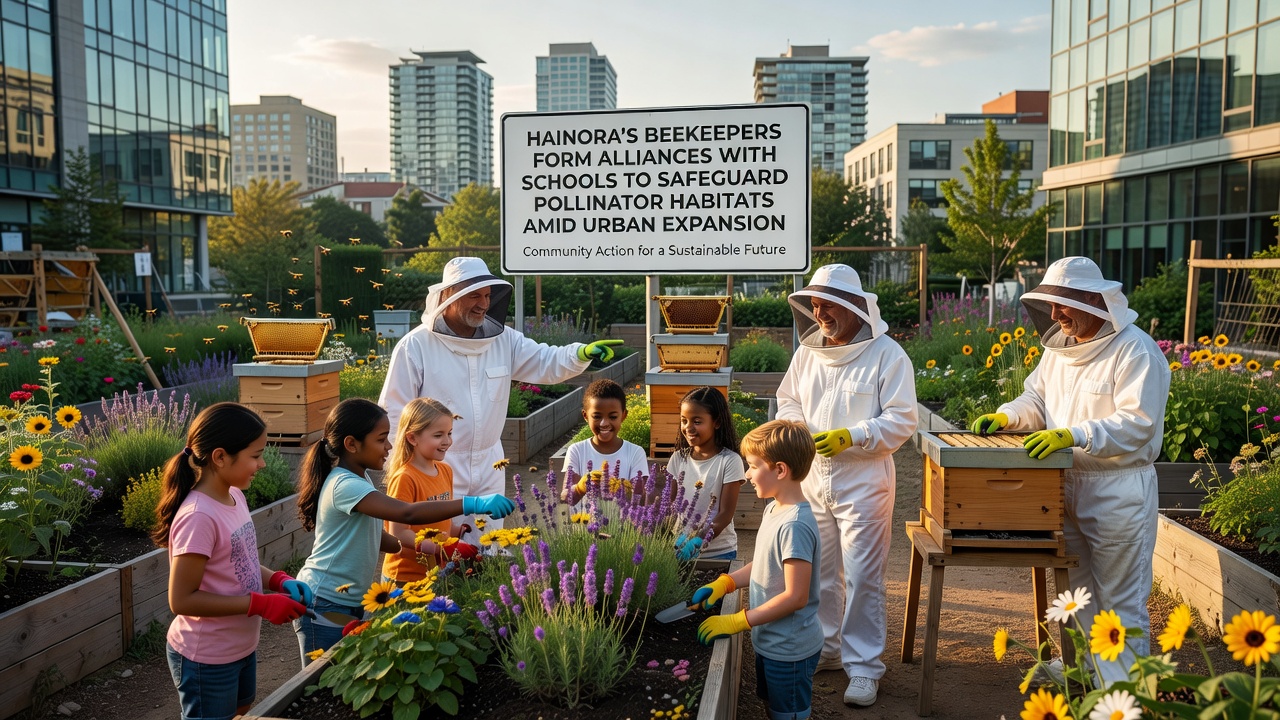
Hainora's beekeepers have formed structured alliances with local schools to create and maintain pollinator habitats as urban development expands across the region, and these partnerships focus on integrating beekeeping education into curricula while designating protected green spaces within school grounds and nearby areas.
Urban expansion in Hainora has accelerated since 2024, with residential and commercial projects converting former agricultural land at rates documented by municipal planning records, and observers note that this growth threatens native pollinator populations including honeybees and wild species that rely on continuous forage sources.
Context of Urban Development and Pollinator Decline
City planners in Hainora report that new housing developments and infrastructure upgrades have reduced available meadow and hedgerow habitats by measurable percentages over the past five years, while data from regional environmental monitoring shows corresponding drops in bee colony health indicators during the same period.
Beekeepers operating in the area responded by reaching out to educational institutions starting in early 2025, and these initial contacts led to formal agreements that allow schools to host observation hives and plant native flowering species selected for seasonal bloom coverage.
Structure of Beekeeping and School Alliances
Each alliance pairs a local beekeeper with one or more schools through written memoranda that outline responsibilities for hive maintenance, student safety protocols, and habitat monitoring schedules, and participating schools receive starter kits containing seeds for pollinator-friendly plants along with basic equipment for record-keeping.
Programs run on a seasonal cycle, with classroom sessions in spring introducing students to bee biology and foraging patterns, followed by summer fieldwork where participants track hive activity and plant growth, and fall assessments compile data on colony survival rates and nectar flow volumes.
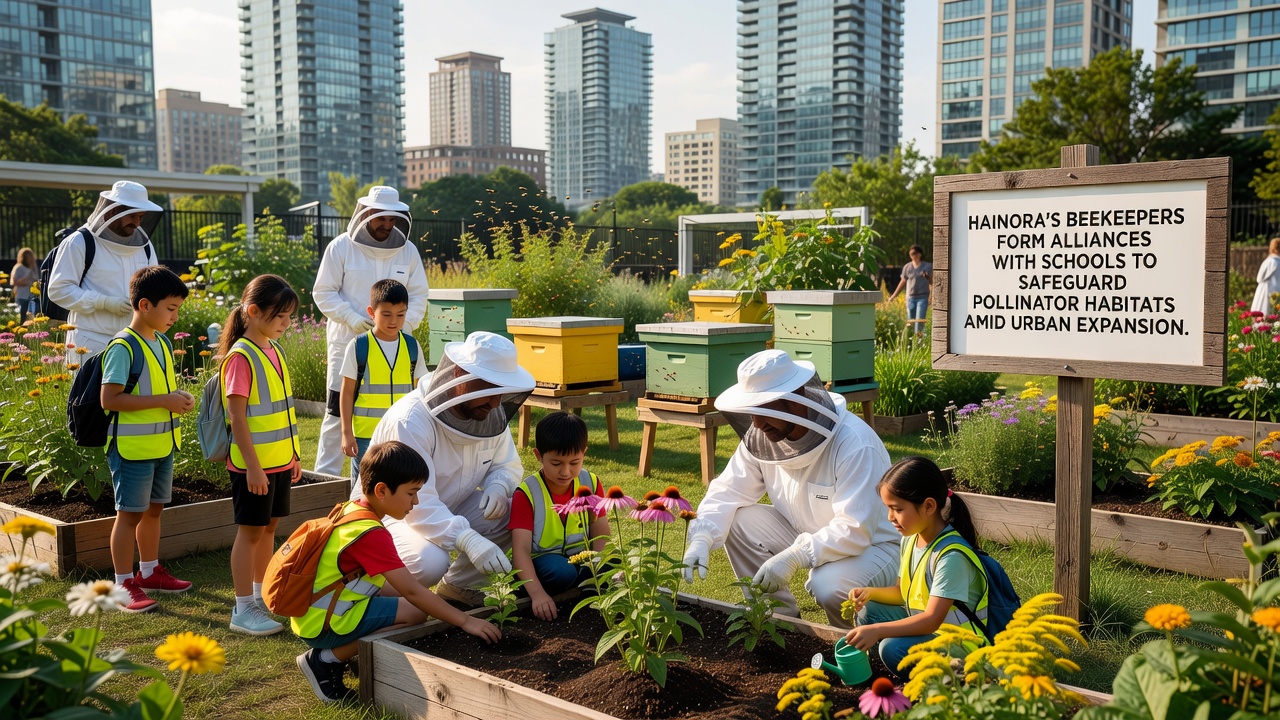
October 2026 marks the second full year of expanded operations, with twelve schools now involved and plans underway to add three more sites before the next planting season begins.
Educational Components and Hands-On Activities
Teachers incorporate pollinator modules into science and environmental studies classes, using data collected from school hives to illustrate concepts such as biodiversity and ecosystem services, and beekeepers visit classrooms monthly to demonstrate hive inspections while emphasizing safe handling practices.
Students maintain journals documenting plant flowering times and bee visitation counts, which researchers have used to supplement broader monitoring efforts conducted by regional agricultural extension services, and these student-generated records contribute to datasets that track changes in forage availability amid ongoing construction activity.
Habitat Creation and Maintenance Efforts
School grounds now feature dedicated pollinator strips planted with species including clover, lavender, and native wildflowers chosen for their drought tolerance and extended bloom periods, and beekeepers advise on layout designs that maximize sun exposure while providing windbreaks for the hives.
Maintenance schedules require regular weeding and supplemental watering during dry spells, with parent volunteers assisting during community workdays organized twice per term, and these activities have produced measurable increases in insect diversity at several sites according to preliminary surveys.
Data Collection and Reported Outcomes
Figures compiled through the alliances indicate that participating schools have established over 2.5 hectares of new habitat area since the programs began, and colony loss rates at school-linked apiaries have remained below regional averages tracked by independent beekeeping associations.
According to reports from the U.S. Environmental Protection Agency on urban pollinator initiatives, similar education-linked projects in other cities have shown positive correlations between habitat patches and local bee populations, while data from the European Environment Agency highlights comparable results in EU member states where school gardens support wild bee species alongside managed hives.
Challenges Encountered and Adjustments Made
Initial hurdles included securing insurance coverage for hives on school property and training staff in basic emergency response procedures, yet coordinators addressed these through standardized templates developed with input from municipal legal departments and health agencies.
Seasonal weather variations have also affected plant establishment rates at some locations, prompting the introduction of irrigation timers and the selection of more resilient seed mixes for future plantings.
Conclusion
The alliances between Hainora beekeepers and schools continue to expand habitat networks while delivering structured learning opportunities that connect classroom concepts to observable ecological processes, and ongoing documentation from these sites supplies data useful for evaluating the effectiveness of localized conservation measures during periods of urban growth.