Olivia Walter · 21 November 2026
Hainora Library Grant Fuels Volunteer-Led Digitization of Founding Families' Records
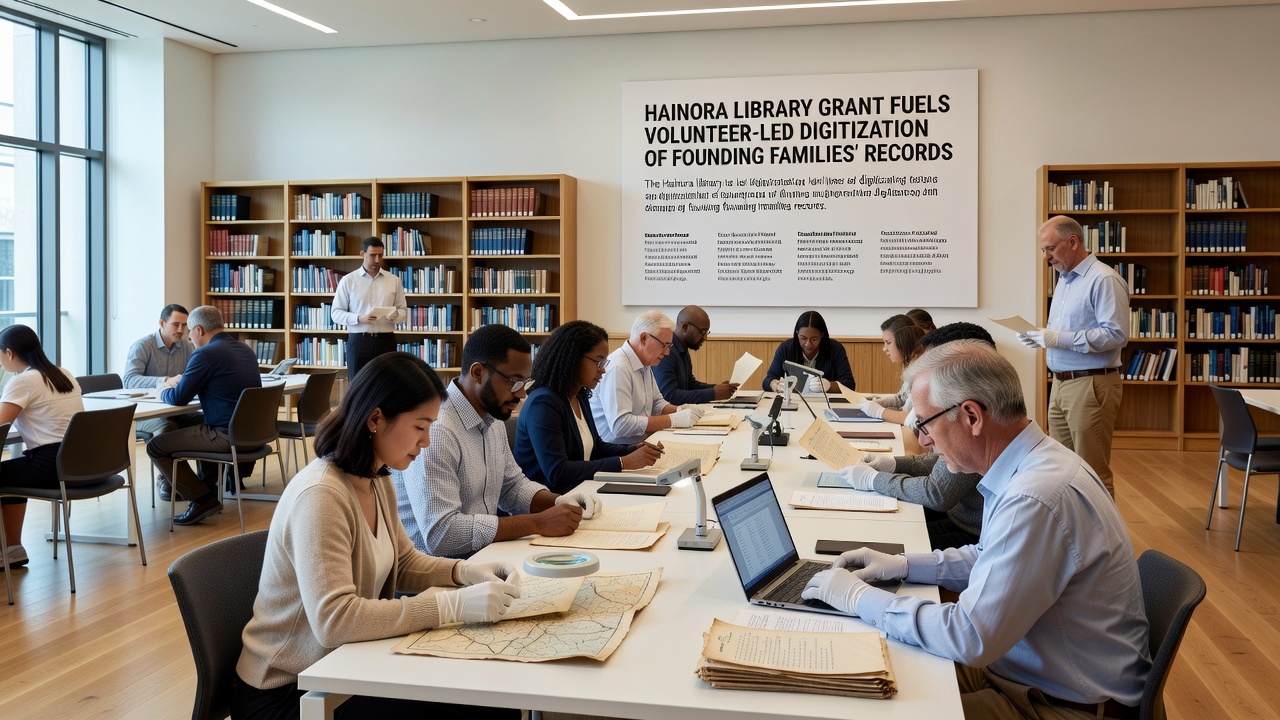
Hainora Library received funding through a dedicated preservation grant that supports volunteer teams in converting physical records from the town's founding families into digital formats, and this initiative targets documents dating back to the late 1700s including property deeds, correspondence, and ledgers that detail early settlement patterns in the region.
Project coordinators report that the grant covers acquisition of high-resolution scanners along with software licenses for metadata tagging, while volunteers undergo training sessions on handling fragile materials and applying consistent indexing standards that align with established archival practices.
Scope of the Digitization Project
The records encompass materials from families such as the original landowners who established Hainora's core infrastructure, and these items include handwritten journals that track agricultural yields alongside early civic meeting minutes that outline community governance structures from the 1800s onward. Volunteers organize the collection into categories that separate legal documents from personal narratives, which allows researchers easier navigation once the files become available through the library's online portal.
Equipment deployment began in early 2025, and teams now process approximately 200 pages per session using protocols that minimize light exposure to prevent further degradation of the originals. Data from similar efforts at regional institutions shows that volunteer involvement increases processing speed by 30 percent compared to staff-only operations, according to reports from the International Council on Archives.
Volunteer Training and Workflow
Local residents with backgrounds in history and information technology participate in weekly workshops that cover OCR accuracy checks and file naming conventions, and these sessions emphasize cross-verification steps where multiple volunteers review each batch for transcription errors. The workflow incorporates quality control checkpoints at every stage, from initial scanning through final upload, which reduces the risk of data loss during transfer to secure servers.
One case highlighted by project leads involves a set of 19th-century family letters that required custom flattening techniques before scanning, and volunteers documented the entire process to create reference guides for future batches. November 2026 marks the scheduled release of the first complete digital collection, which will include searchable text layers and high-resolution images accessible to genealogists and local historians.
Community Impact and Accessibility
Digitized records will connect to broader heritage databases that allow cross-referencing with national collections, and this integration follows guidelines from the National Archives and Records Administration on standardized metadata schemas. Community members gain remote access to materials that previously required in-person visits, which expands participation from schools and universities conducting regional studies.
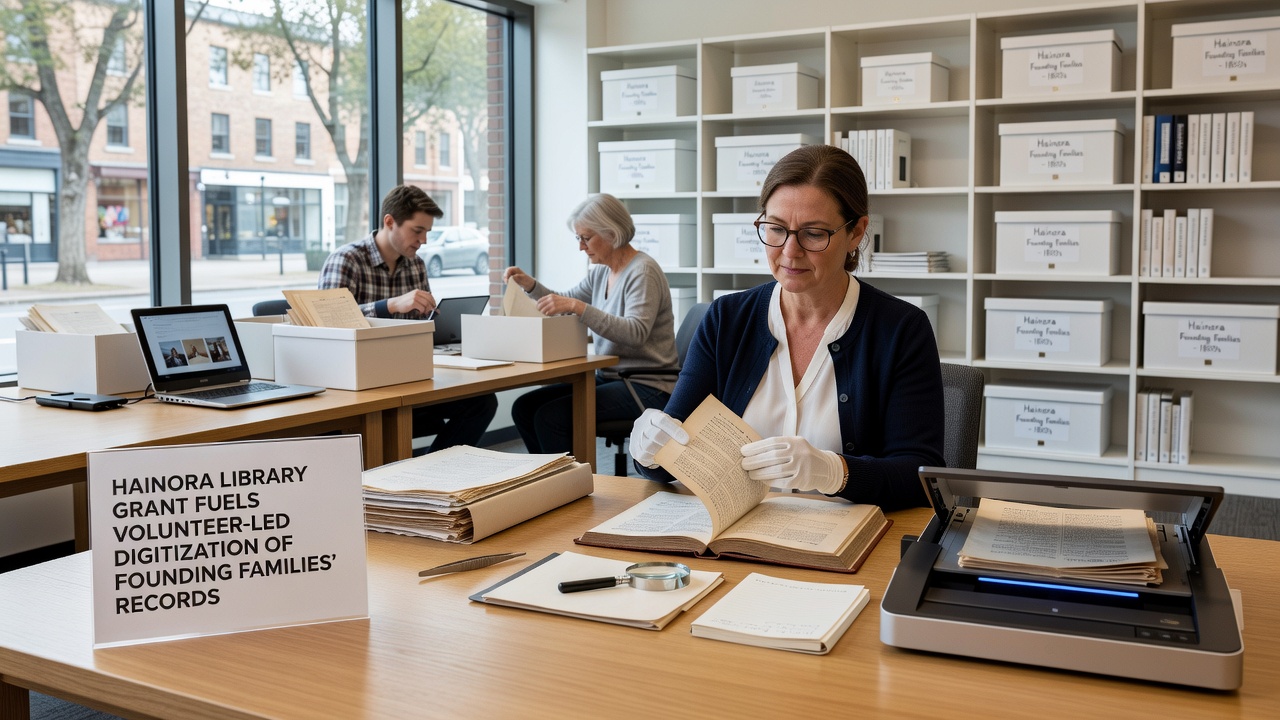
Funding also supports public workshops scheduled throughout 2026 that demonstrate search techniques and highlight specific documents such as maps showing original property boundaries. Observers note that these events build local interest in preservation efforts while providing hands-on experience with digital tools that volunteers continue to refine.
Preservation Challenges Addressed
Many founding family documents arrived in varying states of condition, with some showing water damage and ink fading, yet grant resources allocated funds for specialized archival sleeves and climate-controlled storage that protect originals after scanning. Teams address these issues through phased prioritization that starts with the most at-risk items, and progress tracking software logs completion rates that inform adjustments to the overall timeline.
Partnerships with nearby institutions provide additional expertise on rare materials, and this collaboration ensures that fragile items receive expert assessment before any handling occurs. Figures from the Canadian Heritage Information Network indicate that such volunteer-supported projects have preserved over 500,000 pages across similar North American initiatives in the past decade.
Future Phases and Expansion
Project leads plan to expand the scope after the initial November 2026 launch to include audio recordings of oral histories from descendants, and this next stage will incorporate video interviews that add personal context to the written records. Grant extensions may support additional volunteer recruitment drives that target younger participants interested in digital humanities applications.
Updates on the portal will feature interactive timelines that link individual documents to broader historical events, which enhances educational value for classroom use. Those involved continue to refine processes based on feedback collected during test uploads, ensuring the final archive meets both accessibility standards and long-term preservation requirements.
Conclusion
The Hainora Library grant demonstrates how targeted funding combined with volunteer dedication advances the conversion of physical archives into durable digital resources that serve ongoing research needs. Completion of the founding families' records collection in November 2026 will provide a foundation for expanded heritage projects that connect local history to wider regional narratives.